
Understanding your air conditioning system is the first step toward improving energy efficiency and reducing your carbon footprint. At M&A Heating and Cooling, we believe in empowering homeowners with the knowledge to make informed decisions about their AC solutions. This post will cover key aspects of AC systems, helping you optimize performance and save money.
Key Components of an AC System
At the heart of every air conditioning system are several key components working in harmony:
Compressor: The compressor is the powerhouse of the AC system, responsible for circulating refrigerant. Its health directly impacts the efficiency of the entire system.
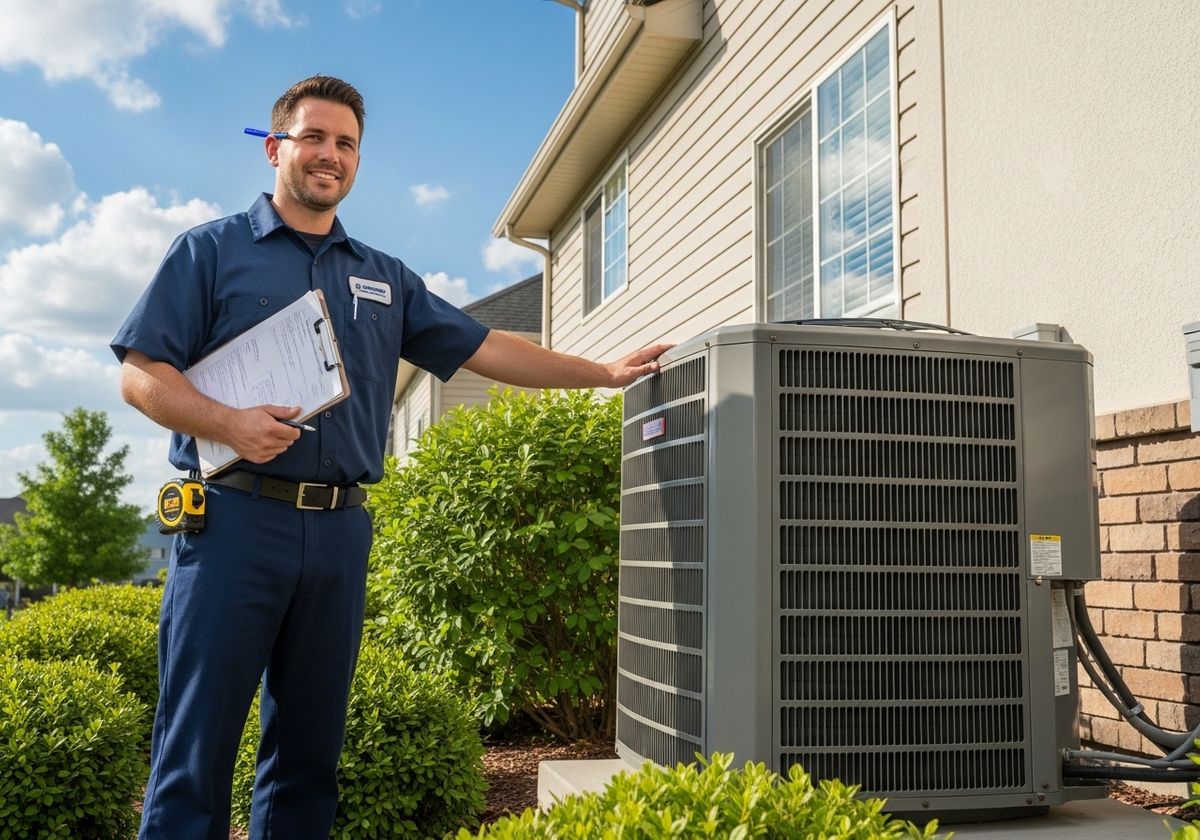
Condenser Coil: Located outside, the condenser coil releases heat from the refrigerant. Proper airflow around the coil is crucial for efficient operation.
Evaporator Coil: Situated inside, the evaporator coil absorbs heat from your indoor air, cooling it down. A clean coil ensures optimal heat transfer.
Refrigerant: The lifeblood of your AC, refrigerant absorbs and releases heat as it cycles through the system. Maintaining the correct refrigerant level is vital.
Expansion Valve: This component regulates the flow of refrigerant into the evaporator coil, controlling the cooling process.

Understanding SEER Ratings
The Seasonal Energy Efficiency Ratio (SEER) rating measures the cooling efficiency of an AC system. A higher SEER rating indicates greater energy efficiency and lower operating costs. When considering air conditioning solutions, it's essential to balance upfront costs with long-term energy savings. M&A Heating and Cooling focuses on maximizing system SEER ratings to provide tangible energy savings.
Optimizing AC Performance
Several factors can impact the efficiency of your AC system:
Regular Maintenance: Routine maintenance, including filter replacement and coil cleaning, ensures your system operates at peak performance. M&A Heating and Cooling offers structured maintenance plans to prioritize preventative care.
Proper Insulation: Adequate insulation minimizes heat gain, reducing the workload on your AC system. Consider upgrading insulation in attics and walls to enhance energy efficiency.
Smart Thermostat: A programmable thermostat allows you to adjust temperatures based on occupancy, saving energy when you're away or asleep.
Ductwork Inspection: Leaky ductwork can result in significant energy loss. Having your ductwork inspected and sealed can improve efficiency. M&A Heating and Cooling integrates comprehensive ductwork analysis into its service model.
Diagnosing Common Issues
Recognizing common AC problems can help you address issues promptly and prevent further damage:
Reduced Airflow: Restricted airflow can indicate a clogged filter, dirty coil, or ductwork obstruction.
Unusual Noises: Strange sounds may signal a mechanical issue, such as a failing compressor or blower motor.
Inconsistent Cooling: Uneven cooling can be caused by refrigerant leaks, compressor problems, or airflow imbalances.
Increased Energy Bills: A sudden spike in energy consumption may indicate an inefficient AC system or an underlying issue.
Understanding your AC system empowers you to make informed decisions about maintenance, repairs, and upgrades. By focusing on energy efficiency, you can reduce your environmental impact and save money on utility bills. Regular maintenance is key to keeping your systems in tip-top shape; contact M&A Heating and Cooling today to learn about our proactive system management plans. If you think it's time to upgrade your system, reach out to learn how we utilize strategic system design to ensure every unit is perfectly sized for your Winston-Salem property.