Navigating the expenses associated with a new AC unit installation in Winston-Salem can seem daunting, as numerous factors contribute to the final cost. Beyond just the price of the equipment, North Carolina homeowners and business owners must consider system compatibility, energy efficiency, and the complexities of the installation process itself. At M&A Heating and Cooling, we believe in transparent communication, helping our clients understand every aspect of their investment for optimal climate control!
System Specifications and Efficiency Ratings
The core of your new AC installation cost begins with the unit itself. Different types of systems, such as central air conditioners, heat pumps, or ductless mini-splits, come with varying price tags. Key differentiators include the unit's size, measured in tons, which must be precisely matched to your property's square footage and insulation levels to ensure efficient cooling without overworking or undersizing. The Seasonal Energy Efficiency Ratio (SEER) rating plays a significant role; higher SEER ratings indicate greater energy efficiency, leading to lower operating costs over the lifespan of the heating, ventilation, and air conditioning system, though typically requiring a higher initial investment. Choosing a reliable brand and advanced features like smart thermostats also influences the upfront expense.
Installation Complexity and Labor Expertise
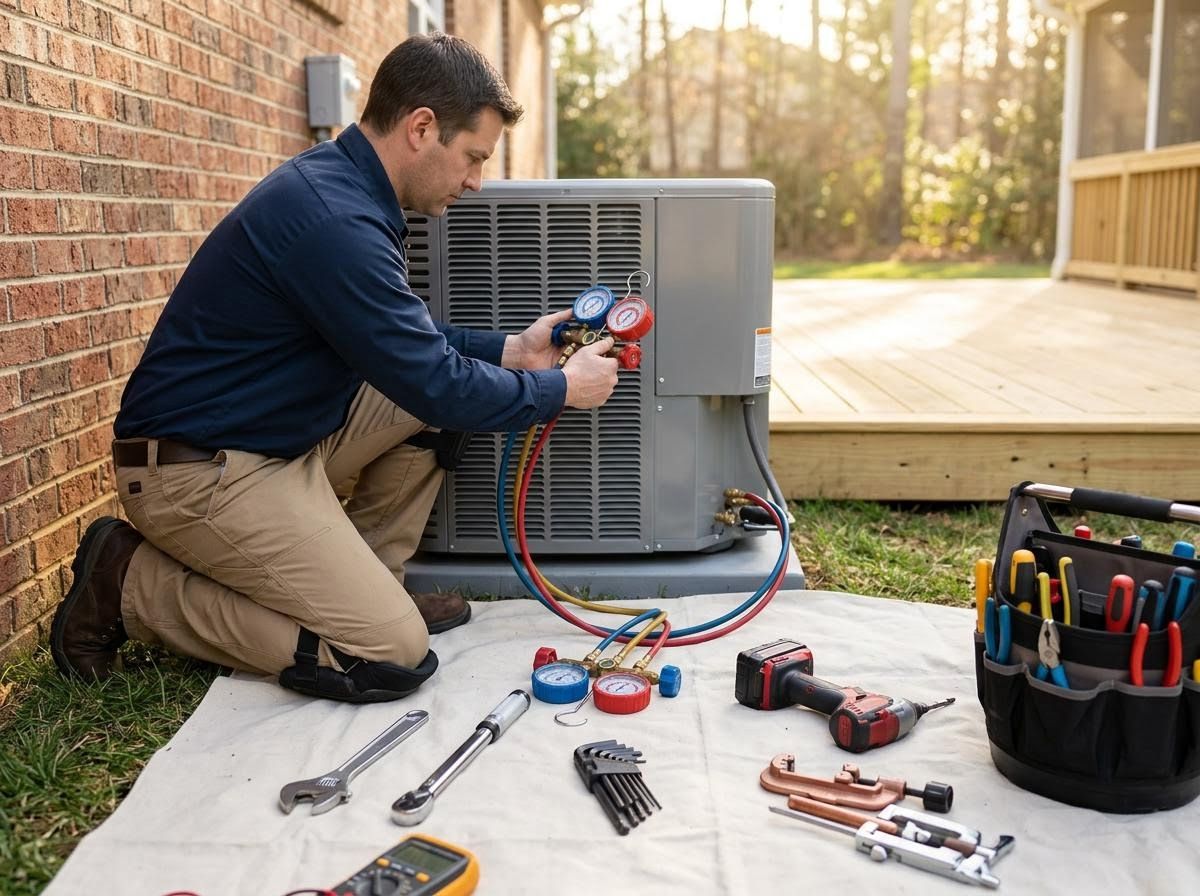
Beyond the equipment, a significant portion of the cost is attributed to the installation process itself. This can vary widely depending on whether it's a replacement of an existing system or a brand-new installation requiring ductwork modifications or new electrical circuits. Factors such as the accessibility of the installation site, the need for refrigerant line replacement, or structural adjustments can add to labor time and material costs. A professional HVAC residential installation, especially for more complex setups like a commercial HVAC install, demands skilled technicians who are proficient in system sizing, refrigerant handling, electrical work, and duct sealing to ensure peak performance and adherence to local building codes.

Long-Term Value and Avoiding Future Repairs
While the upfront cost is a major consideration, it’s crucial to view your new AC unit as a long-term investment. A properly installed, high-efficiency system can lead to substantial savings on energy bills over many years, effectively offsetting a higher initial purchase price. Expert installation can significantly reduce the likelihood of premature breakdowns and the need for costly repairs down the line. Inferior installation can lead to issues ranging from refrigerant leaks and electrical problems to inefficient operation, potentially necessitating expensive home heating repair or commercial AC repair much sooner than expected. Prioritizing quality installation ensures your system operates reliably and efficiently for its full expected lifespan.